
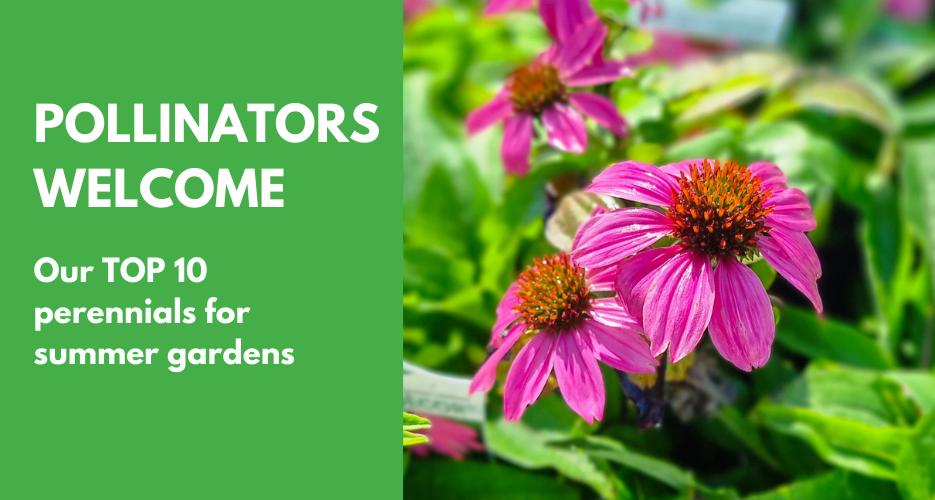
Pollinators Welcome: Our Top 10 perennials for pollinator-friendly summer gardens
If you’ve ever paused to watch bees working a border or butterflies drifting through a planting, you’ll know there’s something special about a garden alive with movement.
Pollinator-friendly landscapes don’t just look beautiful—they work harder, feel richer, and contribute to healthier ecosystems. For Australian landscape professionals, designing with pollinators in mind is no longer a nice-to-have.
It’s becoming essential.
The good news? You don’t need complicated planting palettes or high-maintenance gardens to support pollinators. Perennials do a lot of the heavy lifting. They return year after year, flower generously through the warmer months, and provide reliable food sources when pollinators need it most.
Below, we’ve rounded up our Top 10 perennials for pollinator-friendly summer gardens, perfectly suited to Australian conditions and landscape use. These are proven performers—beautiful, resilient, and buzzing with life.
What are perennials?
Perennials are plants that live for more than two years, returning each season from their root system. Unlike annuals, which complete their life cycle in a single year, perennials can provide long-lasting structure and beauty to a garden.
Many perennials flower year after year, making them ideal for pollinator gardens because they provide consistent food sources for bees, butterflies, and other beneficial insects.
Why pollinator gardens matter in Australia
Pollinator-friendly gardens are crucial to sustaining Australia's flora and fauna. Bees, butterflies, and hummingbirds play a vital role in plant reproduction, improving yields and ensuring healthy ecosystems.
By planting perennials specifically chosen for their pollinator appeal, gardeners not only enjoy vibrant colours and textures but also support the survival of key species.
Benefits of pollinator gardens:
Enhance biodiversity
Increase fruit and vegetable yields
Provide habitat for beneficial insects
Create aesthetically appealing landscapes
Promote environmentally responsible gardening
Whether designing a small suburban backyard or a commercial landscape, integrating pollinator perennials is a strategic way to combine beauty with ecological impact.
How to Design a Pollinator-Friendly Summer Garden
Creating a summer garden that attracts pollinators involves strategic plant selection and layout. Here’s what to keep in mind:
Planting Tips:
Diversity: Include flowers of various shapes, colours, and bloom times.
Layering: Combine groundcovers, mid-height perennials, and feature shrubs.
Water Access: Shallow water sources help pollinators hydrate.
Avoid Pesticides: Organic pest control protects bees and butterflies.
Sun Exposure: Most summer pollinator perennials thrive in full sun.
Incorporate pathways, seating areas, and naturalistic features to create a garden that’s functional for humans and wildlife alike.
Top 10 perennials for pollinator-friendly summer gardens
Our expert team at Plantmark has curated a list of Top 10 perennials that are perfect for pollinator-friendly summer gardens in Australia.
Our list includes summer garden classics that are proven to attract bees, butterflies, and other beneficial insects, while also delivering outstanding performance in Australian landscapes.
Each plant brings something special to the garden—whether it’s long-lasting flowers, aromatic foliage, or a structure that complements mixed borders and feature plantings.
Ready to explore our top summer garden classics for pollinators?
Let's dive into it!
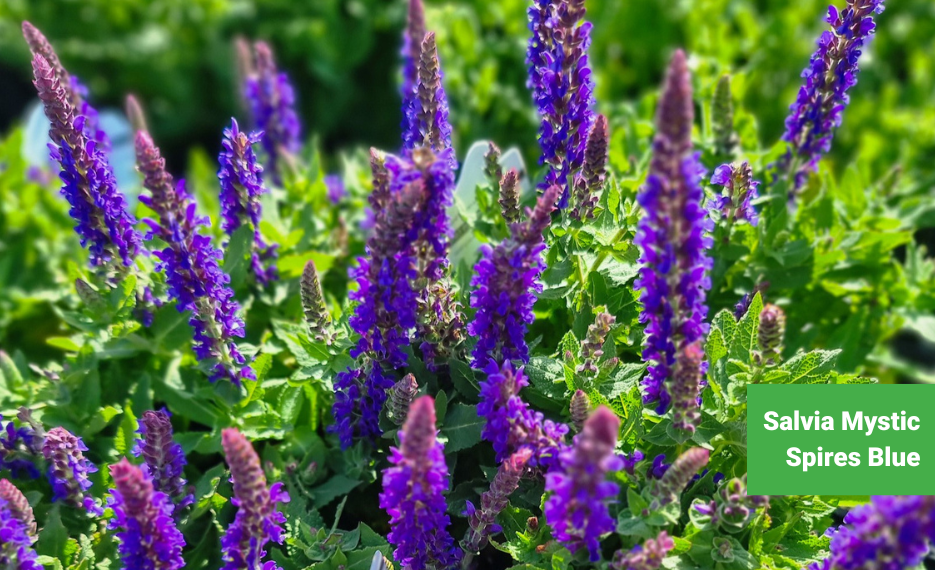
1. Salvia Varieties
Sage
Why we love it: Salvias are a magnet for bees and butterflies, producing spikes of vibrant flowers in shades of blue, purple, pink, and red. Its aromatic foliage adds an extra sensory layer to the garden.
Best for: Salvias are the ideal plants for hot & dry spots. Use them mass planted in borders, containers and rock gardens.
Landscape Style: Contemporary, cottage, and Mediterranean-inspired gardens.
Size and position: 0.5–1.5m high. Full sun with well-drained soil. Drought tolerant once established.
Some favourite varieties:
Salvia Mystic Spires – a popular variety with masses of deep violet flower spikes.
Salvia Waverly – tall, pinkish-white flower spikes in autumn.
Salvia microphylla Hot Lips – bicoloured, red and white long-lasting blooms. Perfect for a hot and dry spot.
2. Gaura lindheimeri
White Butterfly Bush
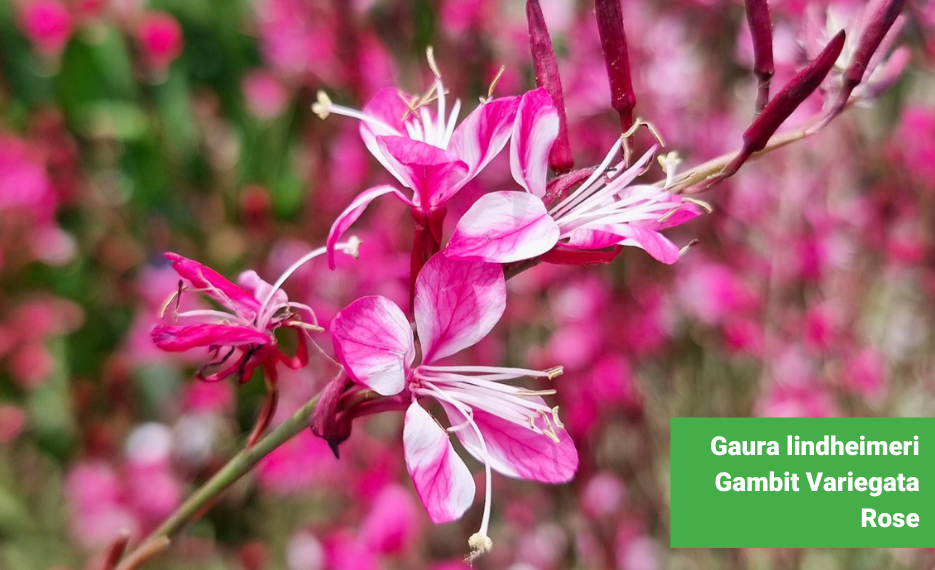
Why we love it: Its delicate, tall and airy, fluttering white flowers resemble butterflies, attracting bees and nectar-feeding insects. It's easy to grow, frost hardy and resilient, flowering prolifically throughout summer, providing long-lasting colour.
Several varieties with different flower colours are available, from the classic white Gaura lindheimeri to the hot pink of Belleza Dark Pink as well as variegated varieties such as Gambit Variegata Rose
Best for: Borders, mass plantings, and cottage gardens.
Landscape Style: Cottage, naturalistic, and wildlife gardens.
Size and position: 0.6–1.2m high. Full sun, well-drained soil. Drought tolerant.
Some favourite varieties:
Gaura lindheimeri – classic, pure white, butterfly-like blooms.
Gaura lindheimeri Belleza Dark Pink – popular for its intense, dark pink flowers.
Gaura lindheimeri Gambit Variegata Rose – variegated pink and white flowers.
3. Echinacea
Coneflower
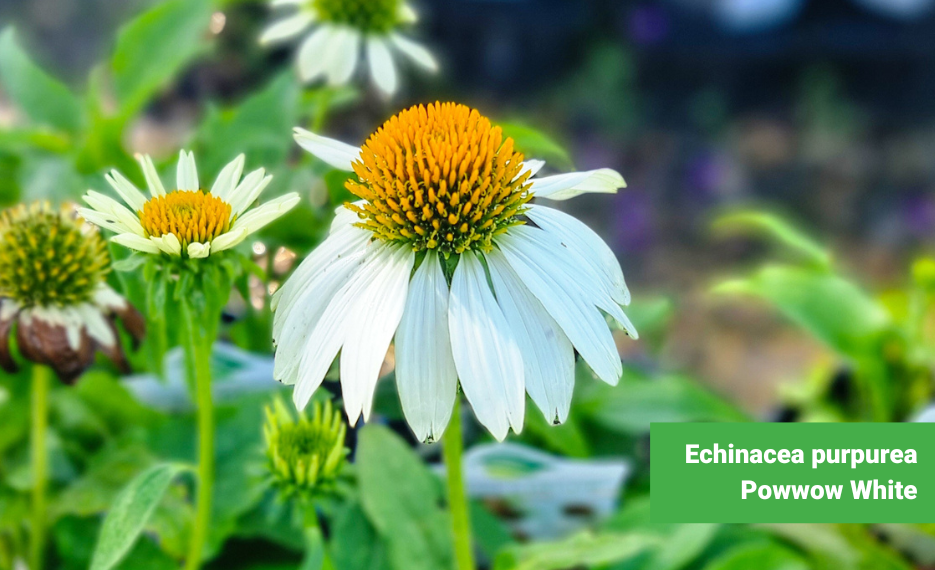
Why we love it: Echinacea’s bold, daisy-like flowers are rich in nectar and pollen, supporting a range of pollinators. Its long-lasting blooms add structure from summer through to autumn.
Best for: Pollinator borders, cottage gardens, cut-flower displays.
Landscape Style: Cottage, prairie-inspired, woodland and naturalistic plantings.
Size and position: 0.6–1m high. Full sun, tolerates light shade. Moderate drought tolerance.
Some favourite varieties:
Echinacea purpurea Powwow White – white petals with a vibrant golden yellow cone.
Echinacea Cheyenne Spirit – large, multicoloured, orange, yellow, red, purple and cream flowers.
4. Nepeta
Catmint
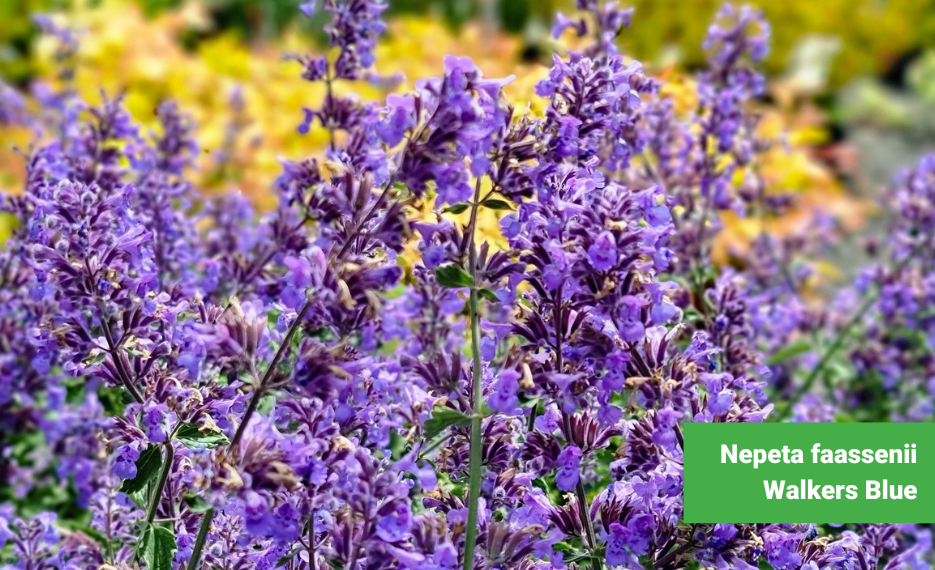
Why we love it: Nepeta produces aromatic foliage and clusters of small, purple-blue flowers that attract bees. Its low-maintenance nature makes it a favourite for summer borders.
Best for: Edges, mass plantings, containers, herb and pollinator gardens.
Landscape Style: Cottage, contemporary, and naturalistic.
Size and position: 0.3–0.6m high. Full sun to part shade. Drought tolerant.
Some favourite varieties:
Nepeta faassenii Walkers Blue – long-flowering, compact.
Nepeta racemosa Purrsian Blue – deep blue flowers, with a compact growth that's ideal for pots.
5. Geum
Avens
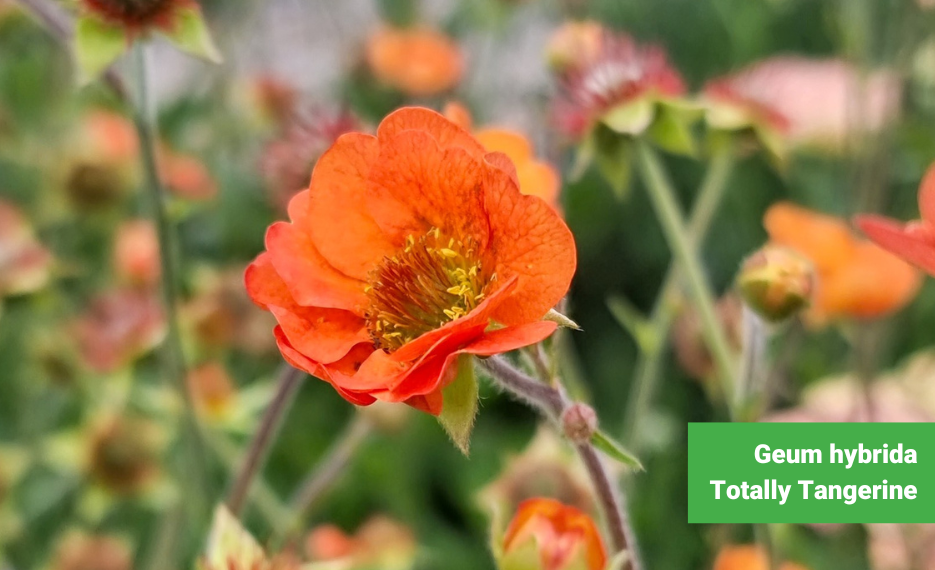
Why we love it: Geum provides bright, cup-shaped flowers on tall stems, that attract bees and butterflies. Its long blooming season adds continuous colour in summer and it looks amazing swaying in the breeze.
Best for: Borders, cottage gardens, mass plantings and containers.
Landscape Style: Cottage, informal, and wildlife gardens.
Size and position: 0.3–0.6m high. Full sun to part shade. Well-drained soil.
Some favourite varieties:
Geum hybrida Totally Tangerine - vibrant orange-red flowers are a delight!
Geum hybrida Petticoats Peach – eye-catching, saucer-like flowers in peachy orange.
6. Geranium
Why we love it: Hardy and versatile, Geranium produces abundant flowers that feed pollinators and complement other summer perennials. Its foliage adds texture to plantings. Drought tolerant once established, it's great for hot & dry spots.
Best for: Borders, containers & hanging baskets, rockeries, and low-maintenance gardens.
Landscape Style: Cottage, contemporary, naturalistic.
Size and position: 0.3–0.5m high. Full sun to part shade. Well-drained soil.
Some favourite varieties:
Geranium hybrida Rozanne – violet-blue, single flowers with long lasting flowers.
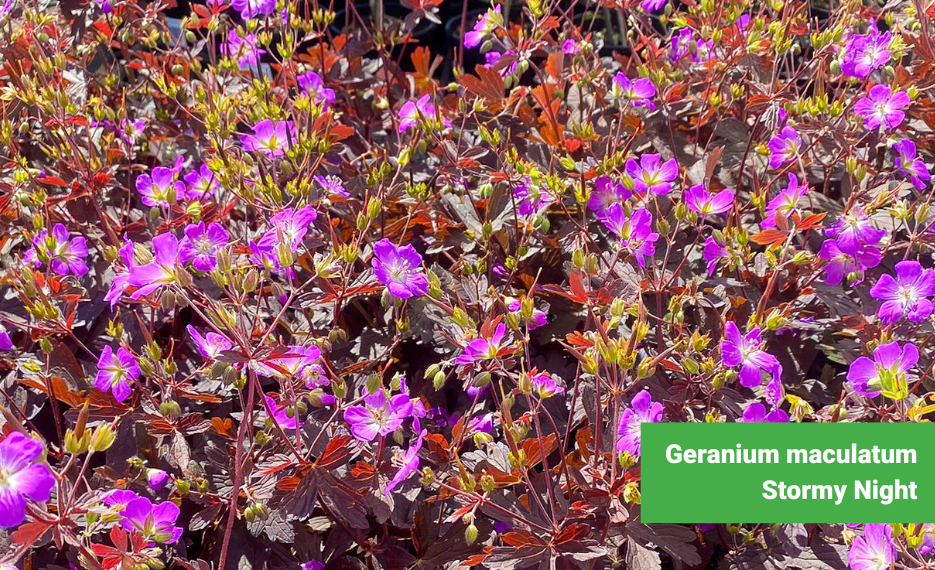
Geranium maculatum Stormy Night – rich, pinkish-purple flowers stand out against the contrasting, maroon foliage.
7. Lavandula
Lavender
Why we love it: Lavender’s fragrant flowers attract bees and butterflies while providing a timeless Mediterranean look. It also thrives in poor soils and even during hot summers.
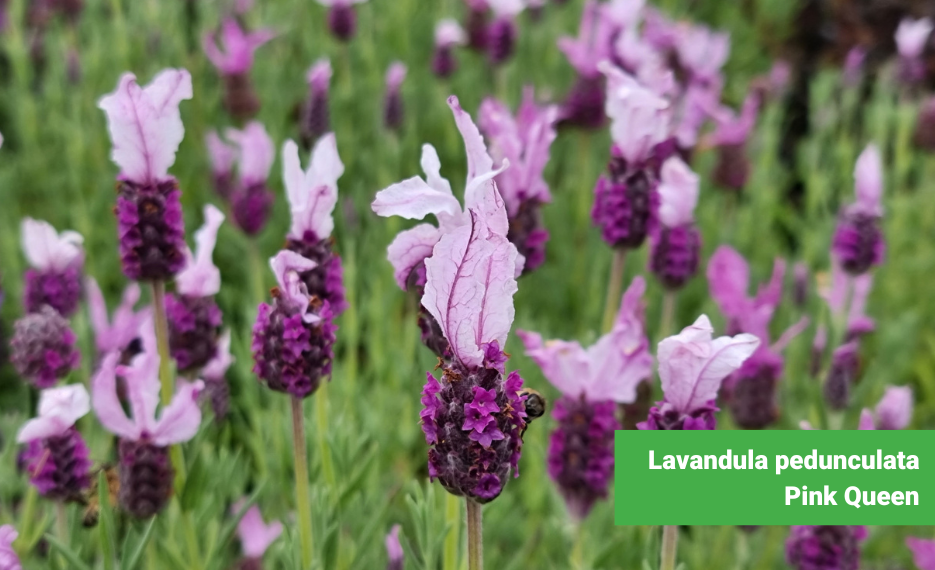
A wide range of varieties is available—from classic English lavender varieties (Lavandula angustifolia), valued for their compact habit and traditional flower spikes, to French and Spanish lavenders (Lavandula dentata and Lavandula stoechas), recognised for their more relaxed forms and distinctive flower heads topped with fluttering, wing-like bracts.
Best for: Borders, hedges, containers, and sensory gardens.
Landscape Style: Mediterranean, cottage, contemporary.
Size and position: 0.5–1m high. Full sun, well-drained soil. Very drought tolerant.
Some favourite varieties:
Lavandula angustifolia – the classic English lavender with spikes of deep purple flowers. Hardy & compact, it's our top choice for fragrant hedges.
- Lavandula stoechas Avonview – this classic, Spanish Lavender with showy, purple petals is one of our most popular varieties.
Lavandula pedunculata Pink Queen – purple flowers with pink fluttering 'wings' above tall stems.
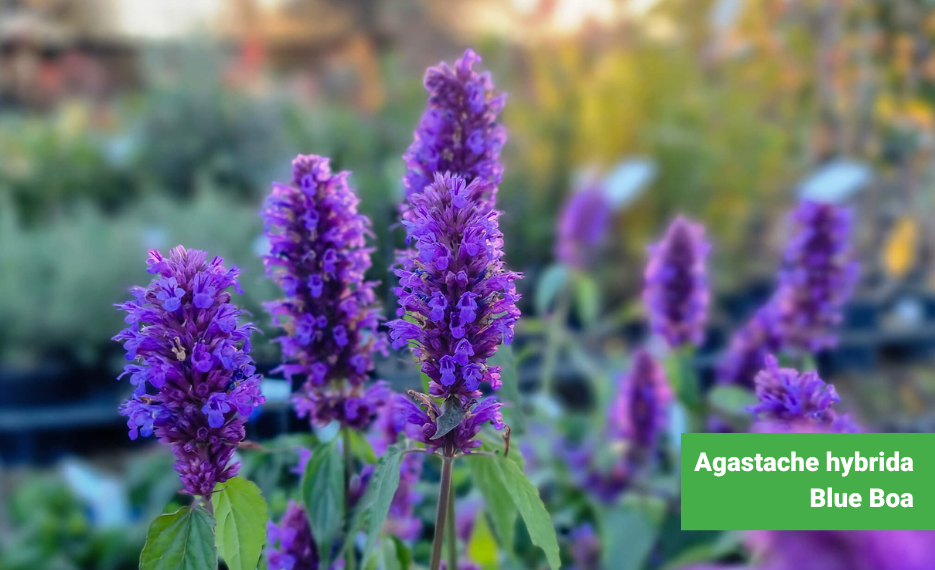
8. Agastache
Giant Hyssop / Hummingbird Mint
Why we love it: Agastache produces spikes of nectar-rich flowers that attract birds, bees, and butterflies, blooming from summer to autumn. Aromatic foliage adds fragrance to the garden.
Best for: Pollinator borders, cottage gardens, and cut flower displays.
Landscape Style: Cottage, contemporary, naturalistic.
Size and position: 0.6–1.5m high. Full sun, well-drained soil. Drought tolerant.
Some favourite varieties:
Agastache Blue Boa – vivid, deep violet flowers, long flowering
Agastache mexicana Forever Summer Berry – deep pink flower spikes that look incredible when mass planted. Attracts wildlife and buzzes with life!
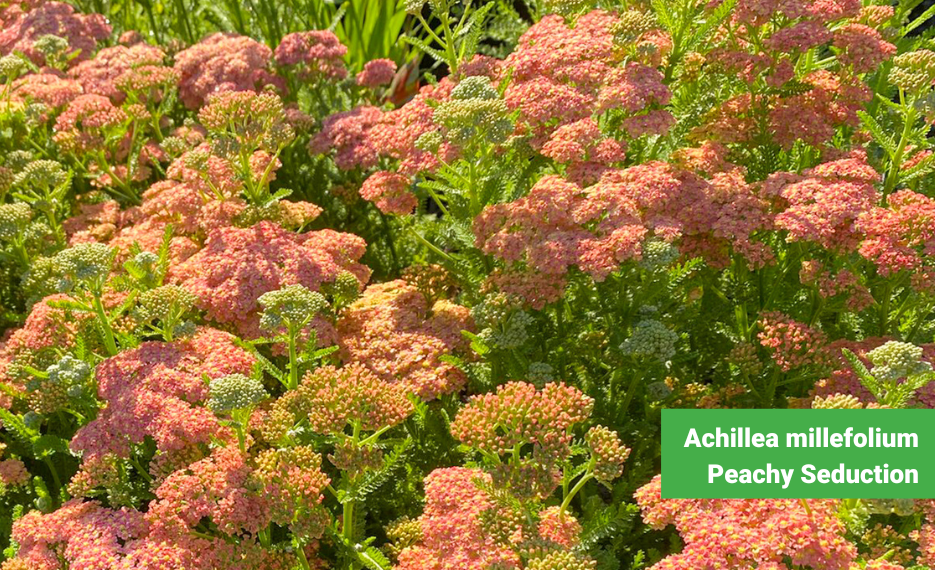
9. Achillea
Yarrow
Why we love it: Achillea produces flat clusters of flowers on tall stems that are ideal for pollinators. Its hardy, drought-tolerant nature makes it perfect for low-maintenance gardens. The foliage is ferny and feather-like.
Best for: Borders, cottage gardens, meadows, and mass plantings. Perfect as cut flowers.
Landscape Style: Cottage, contemporary, naturalistic.
Size and position: 0.3–1m high. Full sun, well-drained soil. Highly drought tolerant.
Some favourite varieties:
Achillea millefolium Desert Eve Terracotta – pink and orange clusters of flowers.
Achillea millefolium Pineapple Mango – clusters of peachy-pink flowers that fade into yellow.
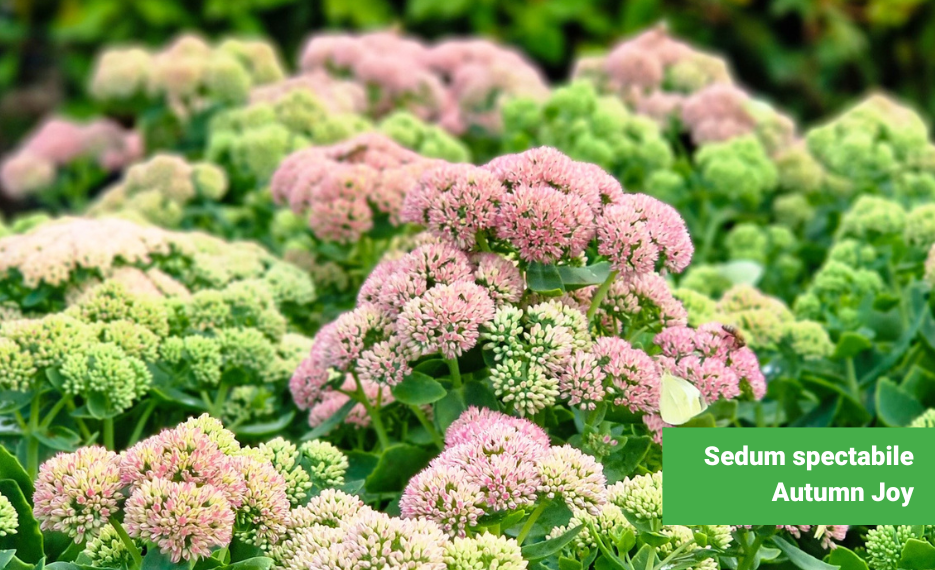
10. Sedum spectabile Autumn Joy
Succulent / Stonecrop
Why we love it: Sedum varieties such as Sedum spectabile Autumn Joy are herbaceous perennials, meaning they die back in winter and regrow in spring. The succulent foliage stores water, making it drought-tolerant, while clusters of flowers resembling broccoli, attract pollinators. A great Sedum for cooler climates.
Best for: Mass planted in rockeries, borders, containers and pollinator gardens.
Landscape Style: Contemporary, naturalistic, low-maintenance designs. Works well in pots and planters too.
Size and position: 0.2–0.6m high. Full sun, well-drained soil. Highly drought tolerant.
Favourite Varieties:
Sedum spectabile Autumn Joy – long lasting blooms that change colour as the season progresses. Turns pink in autumn.
- Sedum telephium Matrona – tall, dark red stems and purple succulent leaves sets this Sedum variety apart. The flowers are a beautiful mauve-pink and appear from spring through to autumn.
Sedum hybrida Superstar – pink flowers that turn into a hot pink later in the season.
Planting tips and care for pollinator perennials
Watering: Deep, infrequent watering encourages strong root growth.
Fertilising: Use low-phosphorus fertiliser to support healthy flowering.
Pruning: Deadhead spent flowers to encourage more blooms.
Mulching: Helps retain moisture and suppress weeds.
Common challenges and how to overcome them
Pests: Encourage birds, frogs, or use organic treatments like neem oil.
Diseases: Avoid overcrowding, maintain good airflow, and remove infected leaves.
Extreme Weather: Select drought-tolerant perennials, use shade cloth if necessary.
Top landscape styles using pollinator friendly perennials
Our list of TOP 10 perennials for pollinator gardens can complement various design styles:
Cottage Gardens: Mix of Salvia, Gaura, and Geum for a whimsical, layered look.
Contemporary Gardens: Agastache and Sedum provide structure and texture.
Naturalistic Designs: Echinacea, Achillea, and Nepeta mimic wildflower meadows.
Conclusion
Designing a pollinator-friendly summer garden is one of the most rewarding ways to bring colour, movement, and life into Australian landscapes. By choosing reliable, long-flowering perennials, you’re not only creating beautiful gardens—you’re also supporting bees, butterflies, and other beneficial insects that play a vital role in healthy ecosystems.
Of course, narrowing it down to just 10 perennials is no easy task! Let us know in the comments below if your go-to pollinator favourite didn’t make our list. Also keep an eye out for our upcoming post about native Australian plants, perfect for pollinator gardens.
Visit your nearest Plantmark Wholesale Nursery in Melbourne, Brisbane, or the Gold Coast to source high-quality perennials ideal for pollinator-friendly summer gardens.
Our expert team is always happy to help you select the right plants for your next project—whether it’s large-scale commercial landscapes, council and education projects, or thoughtfully designed garden spaces.
Have a question or need plant advice? Drop it in the comments below. Our Plantmark team would love to hear from you!
FAQs
1. What are the best pollinator-friendly perennials for Australian summer gardens?
Salvia, Gaura, Echinacea, Nepeta, Geum, Geranium, Lavandula, Agastache, Achillea, and Sedum are top choices.
2. How do I attract more pollinators to my garden?
Provide a mix of flowering plants with different bloom times, water sources, and avoid chemical pesticides.
3. Can these perennials tolerate drought?
Many, including Sedum, Achillea, and Lavandula, are highly drought-tolerant once established.
4. What does 'herbaceous perennial' mean?
It refers to plants that die back in winter and regrow in spring from their root system.
5. How do I maintain perennials for continuous blooms?
Deadhead flowers, prune as needed, and fertilise with low-phosphorus fertilisers to support healthy flowering.
6. Can pollinator perennials work in small suburban gardens?
Yes, many perennials like Nepeta, Gaura, and Geranium are compact and suitable for containers and small borders.
7. Can I make a pollinator garden with Australian native plants?
Sure you can! While this guide focuses on classic summer-flowering perennials, many Australian native plants are fantastic for pollinator gardens. Groundcovers like Chrysocephalum apiculatum [Yellow Buttons] and shrubs such as Pimelea and Crowea varieties are particularly effective - and this is just the beginning! Keep an eye out for our upcoming post on Australian natives for pollinator gardens.
Leave your comment