
Water Plants
Plantmark supplies a diverse range of wholesale water plants for garden ponds, water features, wetlands, rain gardens and consistently wet areas.
Explore floating and flowering aquatics such as Water Lilies and Water Poppies, marginal plants including Dwarf Papyrus and Pickerel Rush, and foliage varieties such as Water Ribbons, Elephant Ears and Variegated Japanese Sweet Flag.
Browse our wide range of Water Plants below, or head to the bottom of this page to read more.
 Acorus calamus Variegata
Variegated Sweet Flag
Available: 0
Acorus calamus Variegata
Variegated Sweet Flag
Available: 0
 Acorus gramineus
Grass Leaf Sweet Flag, Dwarf Sedge, Japanese Sweet Flag
Available: 0
Acorus gramineus
Grass Leaf Sweet Flag, Dwarf Sedge, Japanese Sweet Flag
Available: 0
 Acorus gramineus Ogon
Grass Leaf Sweet Flag, Dwarf Sedge, Japanese Sweet Flag
Available: 5
Acorus gramineus Ogon
Grass Leaf Sweet Flag, Dwarf Sedge, Japanese Sweet Flag
Available: 5
 Acorus gramineus Pusillus Minimus Aureus
Golden Grass Leaf Sweet Flag, Golden Dwarf Sedge, Golden Japanese Sweet Flag
Available: 20
Acorus gramineus Pusillus Minimus Aureus
Golden Grass Leaf Sweet Flag, Golden Dwarf Sedge, Golden Japanese Sweet Flag
Available: 20
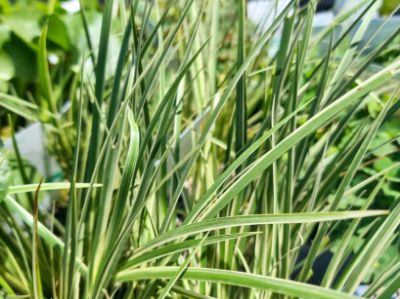 Acorus gramineus Variegata
Variegated Grass Leaf Sweet Flag, Variegated Dwarf Sedge, Variegated Japanese Sweet Flag
Available: 26
Acorus gramineus Variegata
Variegated Grass Leaf Sweet Flag, Variegated Dwarf Sedge, Variegated Japanese Sweet Flag
Available: 26

 Amphibromus nervosus
Common Swamp Wallaby Grass
Available: 0
Amphibromus nervosus
Common Swamp Wallaby Grass
Available: 0
 Aponogeton distachyos
Cape Pondweed, Water Hawthorn
Available: 0
Aponogeton distachyos
Cape Pondweed, Water Hawthorn
Available: 0
 Bacopa caroliniana
Giant Red Bacopa, Lemon Bacopa, Water Hyssop
Available: 2
Bacopa caroliniana
Giant Red Bacopa, Lemon Bacopa, Water Hyssop
Available: 2
 Bacopa monnieri
Water Hyssop, Brahmi, Memory Herb
Available: 3
Bacopa monnieri
Water Hyssop, Brahmi, Memory Herb
Available: 3
 Baloskion tetraphyllum
Syn Restio tetraphyllus, Baloskion dichotomum, Tassel Rope Rush, Tassel Cord Rush, Plume Rush, Australian Reed
Available: 0
Baloskion tetraphyllum
Syn Restio tetraphyllus, Baloskion dichotomum, Tassel Rope Rush, Tassel Cord Rush, Plume Rush, Australian Reed
Available: 0
 Baumea articulata
Jointed Twig Rush
Available: 3
Baumea articulata
Jointed Twig Rush
Available: 3
 Baumea juncea
Bare Twig Rush
Available: 7
Baumea juncea
Bare Twig Rush
Available: 7
 Baumea rubiginosa
Soft Twig Rush
Available: 3
Baumea rubiginosa
Soft Twig Rush
Available: 3
 Berula erecta
Cut Leaf Water Parsnip
Available: 0
Berula erecta
Cut Leaf Water Parsnip
Available: 0
 Betula nigra
River Birch, Red Birch
Available: 5
Betula nigra
River Birch, Red Birch
Available: 5
Water Plants
WATER PLANTS FOR LANDSCAPE PROJECTS
Water plants bring colour, texture and movement to aquatic environments while connecting the water’s edge with the surrounding landscape. They can be used in ornamental ponds and water features, as well as wetlands, rain gardens, boggy areas and sites where the soil remains consistently moist.
Plantmark supplies wholesale water plants to landscapers, landscape designers, developers, councils, contractors and other registered trade customers. Our range includes floating-leaved aquatics, flowering water plants, marginal plants and moisture-loving varieties suited to a range of landscape applications.
WHAT ARE THE MAIN TYPES OF WATER PLANTS?
Water plants can be grouped according to where and how they grow. Understanding these differences can help you select plants suited to the water depth, soil moisture and intended purpose of the project.
FLOATING-LEAVED AND DEEPER-WATER PLANTS
These plants are rooted below the water while their foliage and flowers sit on or above the surface.
Water Lilies are a well-known example, producing floating leaves and colourful flowers that create a strong focal point in ponds and water features. Plantmark’s range includes Nymphaea varieties such as Colorado, Carnea and Indiana, with Water Lilies available in a wide range of flower colours.
Hydrocleys nymphoides, commonly known as Water Poppy, is another attractive flowering option, with rounded floating foliage and yellow flowers.
MARGINAL AND SHALLOW-WATER PLANTS
Marginal plants grow around pond edges or in shallow water, creating a transition between open water and the surrounding landscape. Their foliage can soften constructed edges, introduce height and add layers of texture.
Cyperus prolifer, or Dwarf Papyrus, provides fine, architectural foliage. Pontederia cordata, known as Pickerel Weed or Pickerel Rush, combines upright leaves with showy flowers, while Hippuris vulgaris, commonly called Mares Tail, contributes distinctive vertical texture.
PLANTS FOR WET AND BOGGY AREAS
Not every water plant needs to grow in permanent open water. Some varieties are suited to consistently moist soil, bog gardens, wet garden beds, rain gardens or areas that experience periodic inundation.
Cycnogeton procerum, commonly known as Water Ribbons, produces slender, strap-like foliage suited to naturalistic and habitat-style planting.
Acorus gramineus Variegata, or Variegated Japanese Sweet Flag, provides fine green-and-cream foliage for adding contrast along wet edges. Iris ensata Court Jester brings seasonal flower colour, while Hibiscus coccineus, known as Scarlet Rosemallow or Water Hibiscus, creates height and impact with bold foliage and striking red hibiscus flowers.
Colocasia esculenta, commonly known as Taro or Elephant Ears, introduces large leaves and a lush, tropical character to suitable aquatic and moisture-loving plantings.
WHAT WATER PLANTS ARE SUITABLE FOR GARDEN PONDS?
Garden ponds are most effective when plants are selected for the different growing conditions found in and around the water.
Floating-leaved plants such as Water Lilies and Water Poppies add foliage and seasonal flower colour across the surface. Around shallow margins, Pickerel Rush, Dwarf Papyrus, Mares Tail and Japanese Iris introduce height, texture and definition while helping to soften constructed pond edges.
Water Ribbons and Variegated Japanese Sweet Flag can connect the pond margin with adjoining wet planting areas. For a bolder effect, Elephant Ears [Colocasia esculenta] and Water Hibiscus bring larger foliage, height and a tropical or subtropical character.
The final selection should reflect the pond’s water depth, sunlight, available space and overall landscape style. Check the growing requirements and mature size of each plant, as different water plants are suited to different pond zones.
HOW DO YOU SELECT WATER PLANTS FOR A PROJECT?
The right water plants will depend on the site conditions
and intended function of the planting. Before selecting plants, consider:
1. Whether they will grow in open water, shallow margins or
consistently moist soil
2. The permanent and seasonal water depth
3. The amount of sunlight the area receives
4. The mature height, width and growth habit of each plant
5. Whether the planting needs to provide flower colour, foliage
interest, habitat or edge definition
6. The local climate and site conditions
7. The maintenance requirements of the finished landscape
Individual requirements can vary considerably between water
plants. Check the information provided for each plant and confirm its
suitability for the specific project conditions before planting.
BUY WHOLESALE WATER PLANTS FROM PLANTMARK
Browse Plantmark’s range of wholesale water plants online, including aquatic, marginal and moisture-loving varieties for commercial and residential landscape projects.
Registered Plantmark customers can log in to view current pricing and stock availability at their preferred wholesale nursery.
For larger council and commercial wetland projects, contact the Quotes & Orders team at your nearest Plantmark location. Our team can provide expert assistance, source plants to meet your project requirements and arrange delivery directly to your project site.
FREQUENTLY ASKED QUESTIONS ABOUT WATER PLANTS
What are water plants?
Water plants are plants adapted to growing in open water, shallow pond margins, saturated ground or consistently moist soil. They include floating-leaved aquatics, marginal plants and moisture-loving varieties.
What is the difference between aquatic and marginal plants?
Aquatic plants grow in or on the water. Marginal plants generally grow in shallow water or saturated soil around the edges of ponds, waterways and wetlands.
Which water plants are suitable for garden ponds?
Water Lilies, Water Poppies, Pickerel Rush, Dwarf Papyrus, Mares Tail and Japanese Iris are examples of plants that may be used in garden ponds. The right selection depends on the water depth, sunlight, climate and available space.
Which water plants produce flowers?
Water Lilies are available in a wide range of flower colours, while Water Poppies produce yellow flowers above floating foliage. Pickerel Rush, Japanese Iris and Water Hibiscus can provide additional flower colour around pond margins and wet areas.
Do all water plants grow in deep water?
No. Some plants grow in deeper water, others prefer shallow pond margins, and some require wet or consistently moist soil without being permanently submerged. Check the recommended growing conditions for each plant.
Can water plants be used in rain gardens and wetlands?
Some marginal and moisture-loving plants are suitable for rain gardens, constructed wetlands and areas subject to periodic inundation. Plant selection should reflect how deeply and how frequently the site holds water.
WHERE CAN TRADE CUSTOMERS BUY WHOLESALE WATER PLANTS?
Registered Plantmark Customers can purchase wholesale water plants from Plantmark. Browse our website to view current availability at Plantmark wholesale nurseries across Melbourne, Brisbane and the Gold Coast.
For larger council and commercial wetland projects get in touch with our knowledgeable Quotes & Orders team at your favourite Plantmark location. They can source the right plants for your project and organise delivery straight to your project site.